Ancient Origins of Healing Salt Waters
Long before the palace existed, the water was already there. On the plains of Medina del Campo, sun and wind turned small lagoons into white salt mirrors. Locals began bathing in them and noticed unexpected healing effects—better skin, reduced pain, and a sense of physical relief.
A Building Shaped by
Changing Times
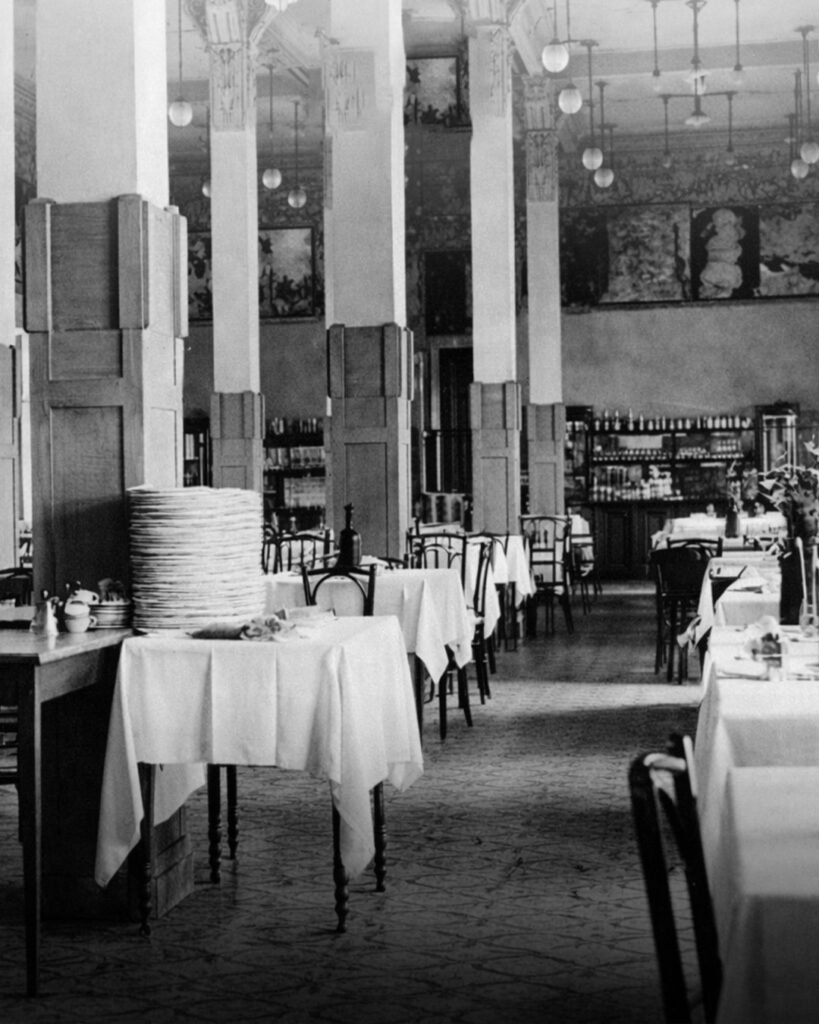
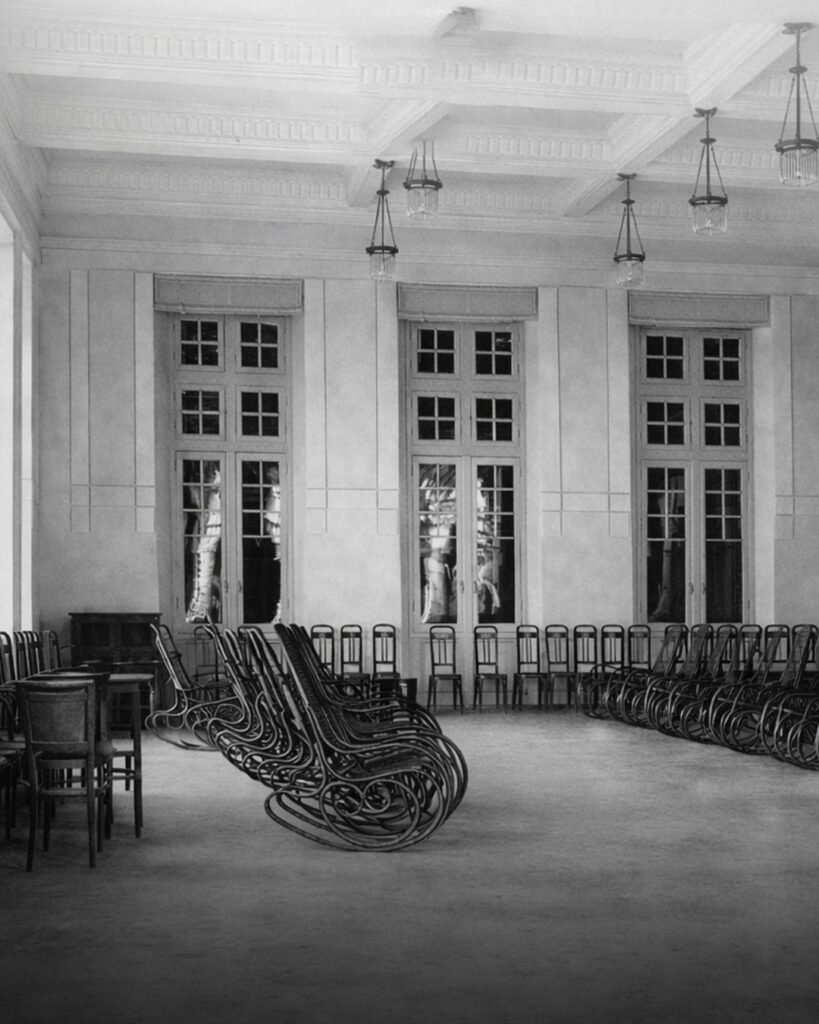
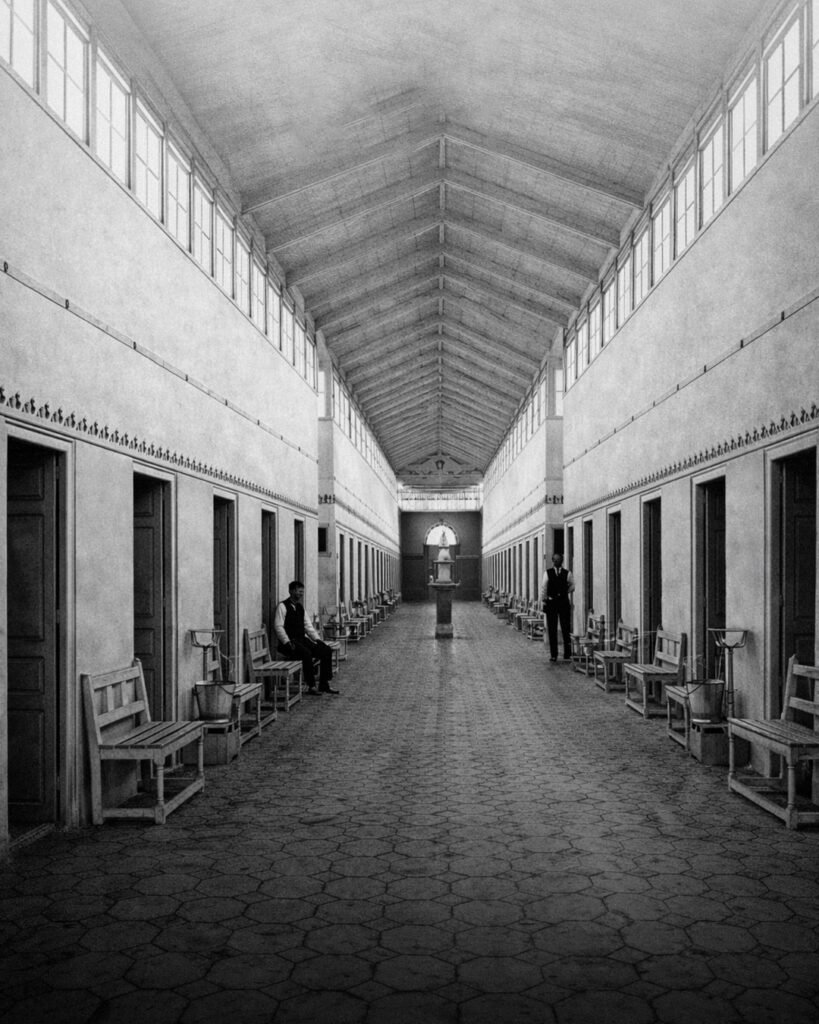
During the 20th century, the palace took on many roles beyond wellness. It served as a barracks, war hospital, orphanage, and seminary. Each transformation reflected Spain’s changing history, leaving behind layers of stories embedded in its walls.
The Rise of
a Grand Palace
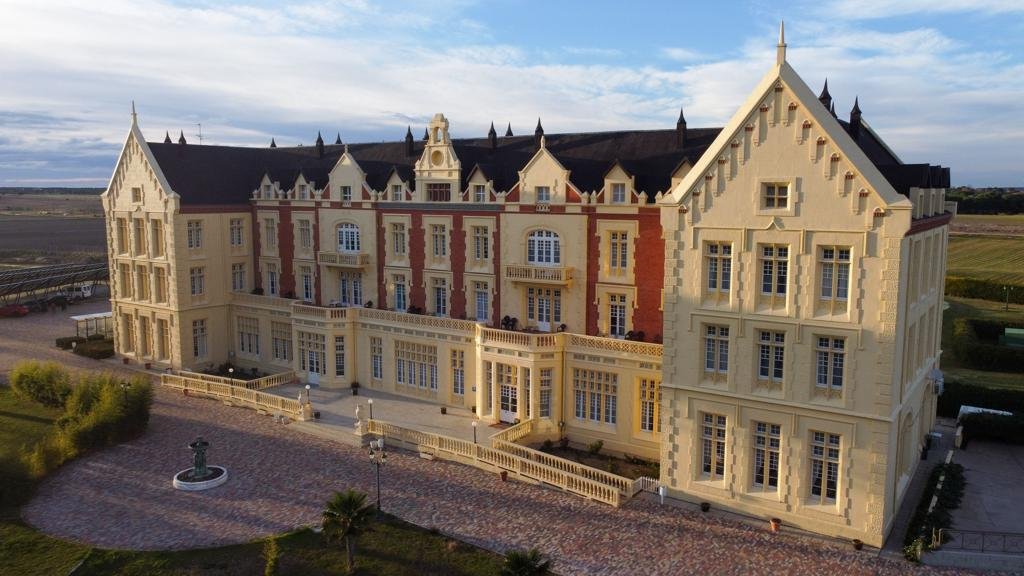
In 1912, the grand Palace of Las Salinas was built. It was designed not only as a healing center but as a social and cultural destination. Located in the heart of Castile, it attracted visitors seeking rest, recovery, and a refined thermal experience.
From Legend to Scientific Medical Recognition
Over time, belief in the waters grew into legend. In 1891, Manuel Ortiz de Pinedo transformed this intuition into reality by building a small hotel and bathhouse. With medical supervision, the waters became recognized treatments, later declared of public and medicinal value in 1893.
A Living Legacy of Wellness Today
Restored in 1997, the palace returned to its original purpose. Today, it blends history with modern wellness. Alongside it stands the Millennium Chapel, symbolizing future values. The site remains a living legacy—where nature, history, and healing continue to coexist.